A great basketball player isn’t powered only by talent—nutrition plays a huge role. The strongest athletes understand that what they eat before, during, and after training directly affects their energy, speed, recovery, and long-term performance. As a former NBA guard who has trained elite athletes, AJ Price emphasizes that your body is your engine. If you fuel it correctly, it will deliver winning results. If you don’t, you’ll feel sluggish, tired, and unable to push through tough drills.
Fueling Before Training
Most players make the mistake of eating either too much or too little before a workout. The goal is to give your body enough energy without slowing it down. AJ recommends eating 2–3 hours before training, focusing on a combination of complex carbs + lean protein + healthy fats. Think of carbs as your fuel tank—this is what powers your footwork drills, shooting reps, and conditioning sessions.
Ideal pre-training meals include:
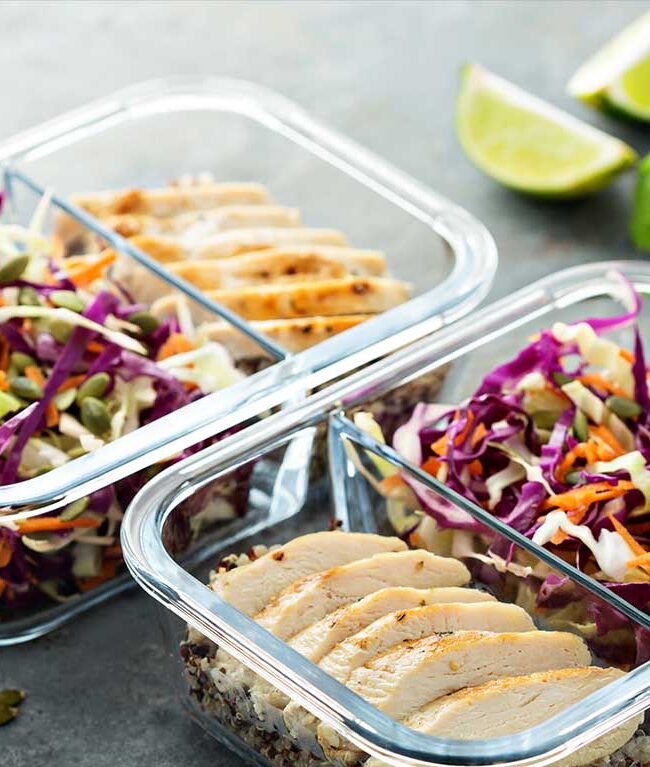
Grilled chicken with brown rice
Oatmeal with bananas and peanut butter
Whole-grain pasta with turkey or tuna
Smoothies made with berries, oats, and Greek yogurt
If you only have 30–60 minutes before training, stick to quick, simple carbs:
A banana or apple
A small energy bar
A slice of toast with honey
These give a fast energy boost without upsetting your stomach.
Eating During Training
Basketball sessions can be intense—especially AJ’s workouts, which mix high-speed footwork, explosive shooting, and conditioning. While most sessions don’t require heavy snacks, longer or high-intensity training may need quick refueling.
Best mid-training fuel options:
Water with electrolytes (especially in hot environments)
A handful of raisins
A small fruit smoothie
Coconut water
More important than food is hydration. Losing just 2% of your body water can reduce accuracy, reaction time, and stamina. Sipping water every 10–15 minutes keeps your muscles firing and your brain alert.
After-Training Nutrition: Recovery First
Your post-workout meal is the moment your body rebuilds itself. This is when players gain strength, speed, and better muscle performance—but only if they refuel correctly.
AJ recommends eating within 45 minutes after a session. The formula is simple: Protein + Carbohydrates + Hydration
Great recovery options include:
Grilled fish with sweet potatoes
Eggs with whole-grain toast
Protein smoothie with spinach, berries, and almond milk
Rice with lean beef and vegetables
Protein repairs muscle tissue, carbs restore energy, and fluids replace what you’ve lost through sweat. Players who skip this step often feel sore, slow, and fatigued the next day.
Why Meal Timing Matters
Food works like fuel: you need the right amount at the right time.
Eat earlier → energy sustained longer
Eat too close → stomach discomfort
Eat too late after training → slower recovery
Players who follow a structured basketball nutrition plan consistently experience better endurance, stronger shooting legs, and fewer injuries.
What to Eat Before, During, and After Training
Proper nutrition is just as important as shooting drills and conditioning when it comes to basketball performance. What a player eats directly affects energy levels, focus, recovery, and long-term development. A well-planned basketball diet fuels the body before training, sustains performance during workouts, and speeds up recovery afterward. Understanding what to eat and when to eat helps players train harder, perform better, and stay healthy.
1. Pre-Training Nutrition: Fueling the Body for Performance
What you eat before training determines how much energy you’ll have on the court. The goal of pre-training meals is to provide steady energy without feeling heavy or uncomfortable. Meals should focus mainly on carbohydrates for fuel, moderate protein for muscle support, and low fat for easier digestion.
Ideally, a full meal should be eaten 2–3 hours before training. Examples include brown rice with chicken, whole-grain pasta with lean meat, or sweet potatoes with eggs. These meals provide long-lasting energy and help prevent fatigue.
If training is closer—about 30–60 minutes away—lighter snacks work best. Fruits like bananas or apples, peanut butter on whole-grain bread, yogurt, or a smoothie are good options. Hydration is also critical. Drinking water before training helps prevent cramps, dizziness, and early fatigue. The key lesson is simple: never train on an empty stomach.
2. During Training: Maintaining Energy and Focus
During training sessions, the body continues to lose energy and fluids through sweat. While full meals aren’t needed mid-workout, hydration becomes extremely important. Water should be consumed regularly, especially during intense or long sessions.
For workouts lasting over 90 minutes or involving heavy conditioning, quick energy sources may help. Small amounts of easily digestible carbohydrates—such as a sports drink, diluted juice, or fruit—can help maintain energy levels. These prevent sudden drops in performance and keep the brain alert.
Players should avoid sugary snacks or heavy foods during training, as these can cause stomach discomfort or energy crashes. Listening to the body is important—thirst, dizziness, or extreme fatigue are signs that hydration or fuel is needed.
3. Post-Training Nutrition: Recovery and Muscle Repair
After training, the body enters recovery mode. Muscles need nutrients to repair, grow stronger, and prepare for the next session. This is one of the most important eating windows for basketball players.
Within 30–60 minutes after training, players should consume a combination of protein and carbohydrates. Protein helps repair muscle tissue, while carbohydrates replenish energy stores. Good post-training options include grilled chicken with rice, eggs and whole-grain toast, milk or yogurt with fruit, or a protein smoothie.
Hydration continues to matter after training. Drinking water or natural fluids helps replace what was lost through sweat. Ignoring post-workout nutrition can lead to soreness, slower recovery, and increased injury risk.
4. Daily Nutrition Habits for Basketball Players
Beyond training times, daily eating habits shape long-term performance. Basketball players should aim for balanced meals throughout the day that include carbohydrates, proteins, healthy fats, fruits, and vegetables. These provide vitamins and minerals that support immunity, bone health, and overall strength.
Consistent meal timing helps regulate energy levels and focus, especially for student-athletes balancing school and training. Skipping meals often leads to low energy and poor performance.
Sleep and nutrition work together. Eating well supports recovery, and proper rest allows the body to use nutrients effectively. Discipline in daily nutrition builds consistency on the court.
5. Nutrition as a Competitive Advantage
Great players treat food as fuel, not just comfort. A smart diet improves stamina, sharpens focus, and speeds recovery. Over time, good nutrition becomes a competitive advantage that separates disciplined athletes from average ones.
By learning what to eat before, during, and after training, basketball players give their bodies the tools they need to perform at their best. Talent matters—but fueling that talent correctly makes all the difference.
Final Thought
Basketball is a high-speed, high-energy sport. You can’t perform at your best if your body is running on junk or empty. Eating properly before, during, and after training is one of the simplest competitive advantages athletes overlook. When players combine AJ Price’s skill development programs with the right nutrition strategy, they become stronger, faster, and more explosive—ready for game day every day.
Take your game to the next level with personalized, professional training from AJ Price, former NBA point guard with years of experience at the highest level of the game. Whether you’re a beginner looking to build solid fundamentals or an elite athlete preparing for your next big season, Priceless Training offers unmatched instruction, intensity and inspiration.