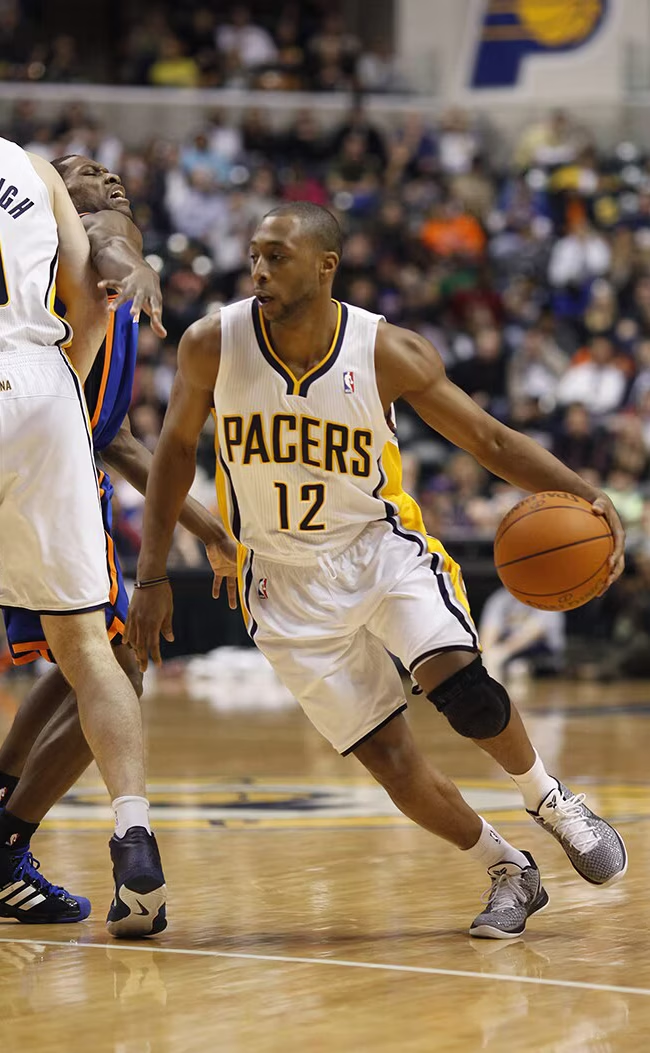
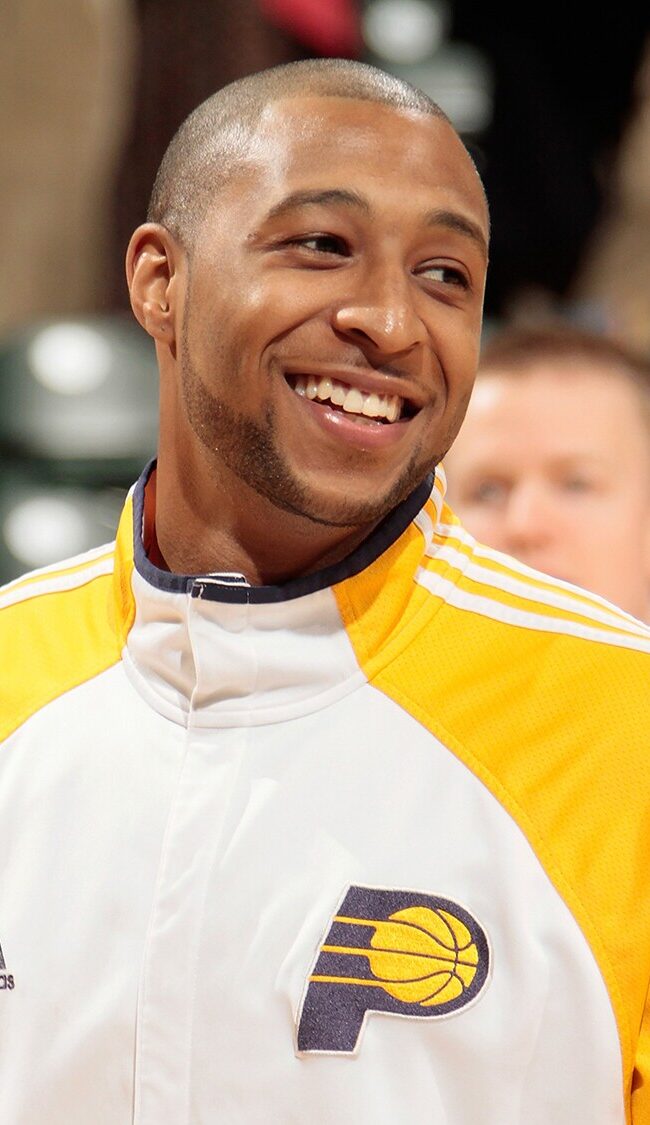
Skill development is a science. Behind every clean crossover, smooth jumper, or explosive finish lies a series of learned motor patterns created through repetition, feedback, and progressive training. AJ Price understands this deeply—his own career was built on hours of intentional practice shaped by motor learning principles. For any basketball player, the science of motor learning is the key to long-term growth.
Repetition and Muscle Memory: Training the Brain, Not Just the Body
Motor learning starts with repetition. The nervous system builds pathways—called motor programs—that become stronger the more they’re used. When a player practices the same movement repeatedly, the brain becomes more efficient at sending signals to the muscles. This is what players refer to as “muscle memory,” even though the memory actually lives in the brain.
AJ structures workouts to maximize purposeful reps. Not lazy reps. Not rushed reps. Quality repetition reinforces correct mechanics, while sloppy repetition trains the wrong pattern and slows progress.
Progressive Overload: Why Skills Improve Over Time
Progressive overload isn’t just for weightlifting—it also applies to skill development. The idea is simple: gradually increase the difficulty or intensity so the body continues adapting. AJ uses progressive overload in player development by:
– increasing ball pressure He starts players with light pressure to build confidence, then gradually adds more aggressive on-ball challenges. This forces players to stay composed and make quicker decisions under stress.
– tightening space AJ reduces the working area so players must operate with sharper footwork and tighter ball control. This simulates real game situations where space closes fast, improving efficiency and precision.
– adding speed Drills begin at a controlled pace, then he increases the tempo as players become more comfortable. Training at higher speeds helps athletes replicate game-level intensity without losing form.
– incorporating defenders After mastering skills on air, AJ adds live defenders to apply realistic disruption. This helps players learn how to read movements, react instantly, and create advantages in real time.
– using time constraints He limits the time players have to complete a move, shot, or read, pushing them to think faster. This builds urgency and improves game IQ because athletes learn not to waste seconds.
– adjusting angles AJ changes the angles of attack, screens, and finishing to expose players to multiple game scenarios. This teaches adaptability and ensures their skills translate from straight-line drills to dynamic, unpredictable situations.
These changes force the athlete’s brain to adapt, creating stronger, more flexible motor programs.
Feedback and Correction: Essential for Growth
Motor learning thrives on feedback. Players need to know what they did right, what they did wrong, and how to correct it. AJ blends immediate feedback (“fix your foot angle”) with delayed feedback (film study) to enhance understanding. This combination helps players internalize corrections and apply them in games.
Why Game-Like Reps Build Faster Progress
The closer a drill mimics game situations, the faster the brain learns how to use the skill in real play. Motor learning research shows that contextual interference—mixing different skills and scenarios—creates stronger long-term retention.
AJ designs drills that include:
– decision-making Instead of giving players a predetermined move, AJ forces them to read the defender and choose the best option in real time. This builds smarter, more adaptable players who can react instantly during game pressure.
– defensive pressure He adds live defenders who disrupt passing lanes, bump driving angles, or contest shots. This trains players to stay composed, protect the ball, and execute under realistic resistance.
– movement before the skill AJ makes players start with a cut, sprint, or change of direction before performing the actual move. This mirrors real sequences in games, where athletes rarely execute skills from a static position.
– realistic scoring angles He adjusts the angles of drives, finishes, and pull-ups to match what players encounter in competition. This teaches them how to score from awkward positions and develop touch from different spots on the floor.
This forces the player to think, react, and execute under stress—the same conditions they’ll face during games.
Long-Term Development: The Marathon Mentality
Motor learning is a long-term process. Skills don’t develop overnight—they compound. AJ tells players that growth comes from daily improvement, consistent practice, and patience. Over time, the brain builds a deep library of motor programs that allow the athlete to react instinctively on the court.
Understanding motor learning transforms the way players train. It builds smarter athletes, sharper skills, and long-lasting improvement rooted in science.
Take your game to the next level with personalized, professional training from AJ Price, former NBA point guard with years of experience at the highest level of the game. Whether you’re a beginner looking to build solid fundamentals or an elite athlete preparing for your next big season, Priceless Training offers unmatched instruction, intensity and inspiration.