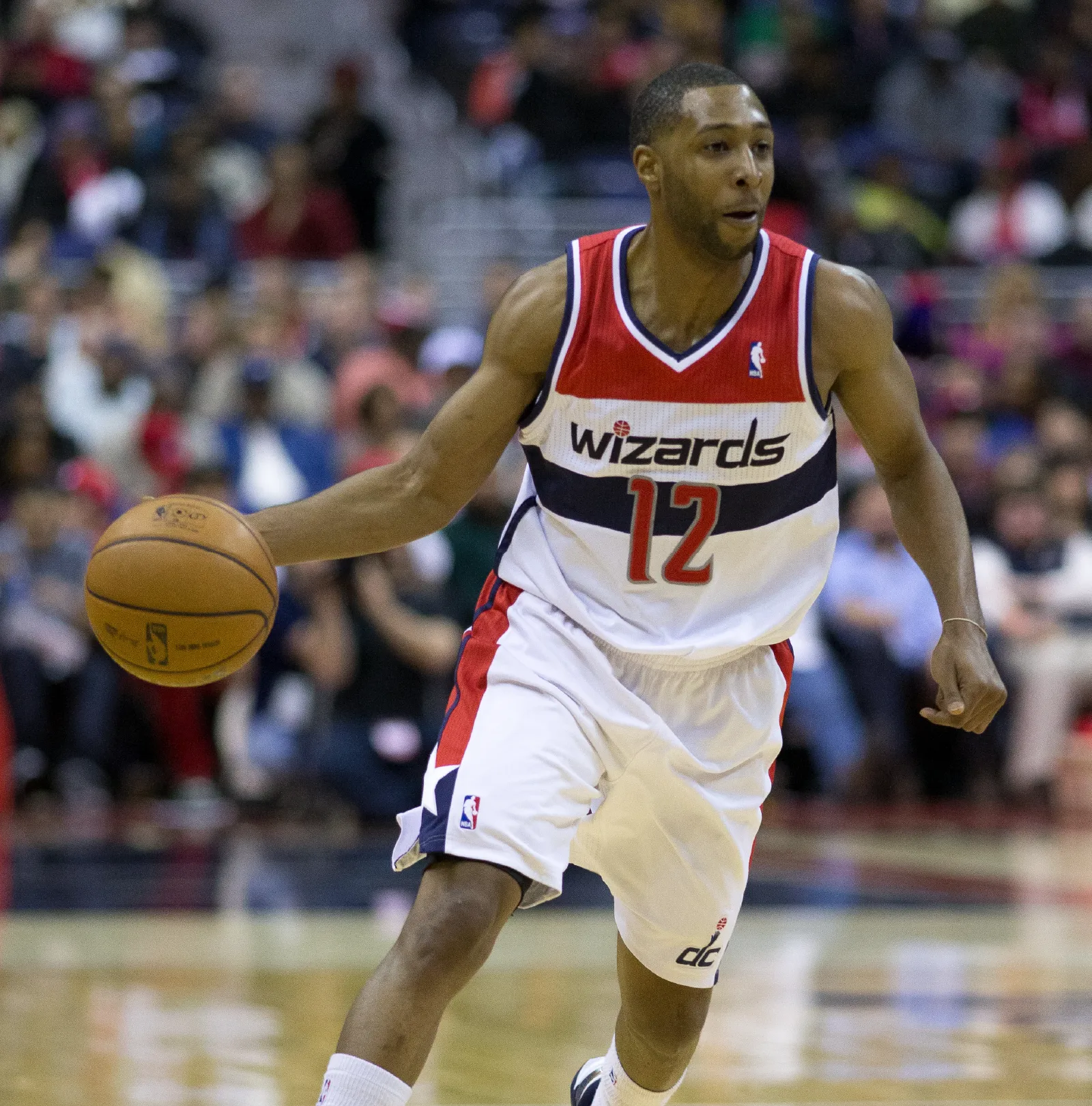
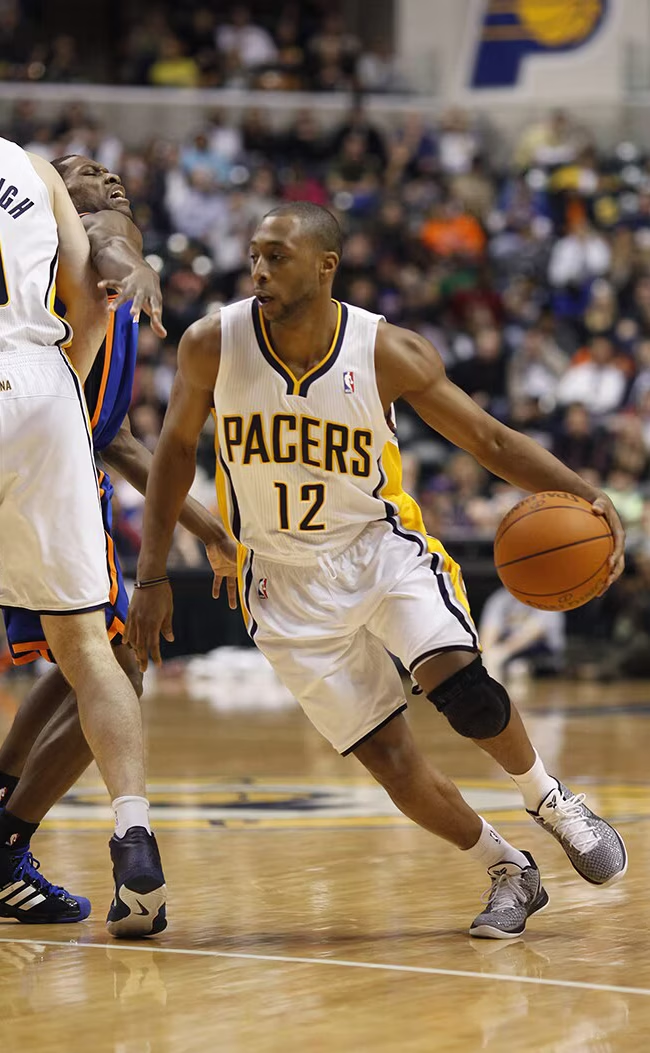
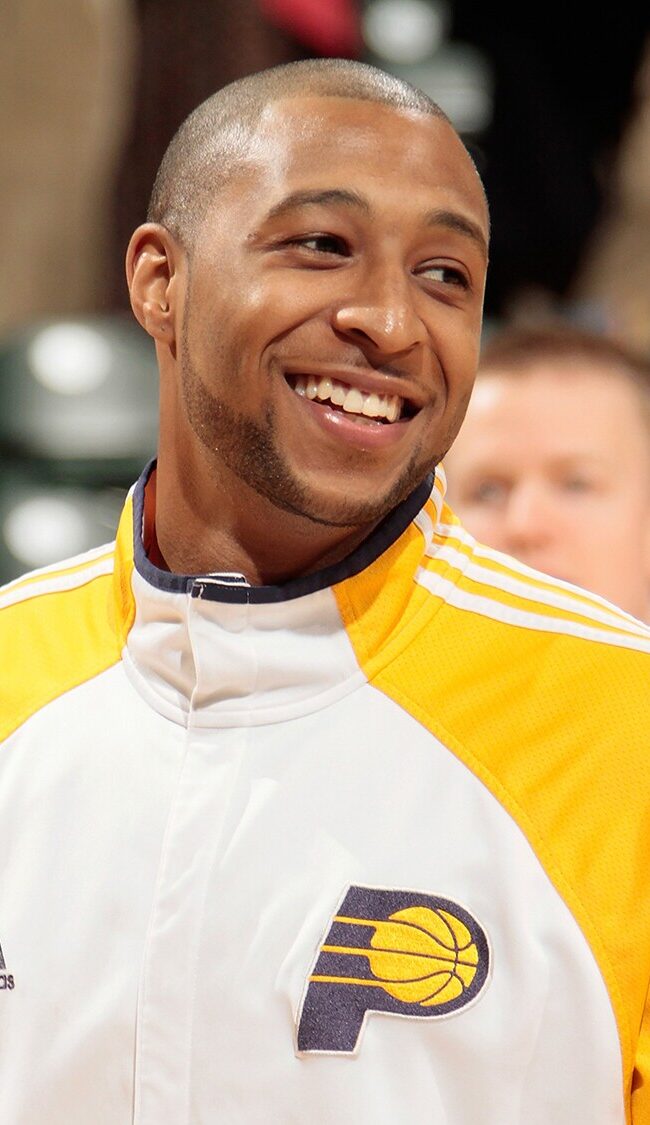
When you walk into a training session with former NBA guard AJ Price, you immediately feel the difference. His sessions are structured, intense, and built with one goal in mind: transforming players into court-ready athletes. AJ’s pro basketball workout plan follows a precise sequence — warm-up, footwork, ball handling, shooting, conditioning, and recovery — each stage building seamlessly into the next.
The Warm-Up: Setting the Tone
AJ begins every session with a warm-up that prepares both the body and the mind. Players go through dynamic stretches, hip mobility work, light cardio, and quick reaction drills. This phase activates the muscles, wakes up the nervous system, and sharpens mental focus.
AJ always reminds players: “Your warm-up sets your standard.” When you start strong, your entire workout follows that rhythm.
Footwork: The Foundation of the Game
Once the body is active, AJ transitions into footwork — the most underrated yet essential part of basketball. He trains players to move with speed, control, and intention. This includes jab-step variations, defensive slides, quick stops, direction changes, and balance work.
He teaches players how to create space, stay grounded under pressure, and explode at the right moment. For AJ, great footwork is the silent engine behind every strong skill.
Ball Handling: Control With Purpose
Next, the basketball finally comes out. AJ’s NBA guard training routine emphasizes control, not tricks. Players work on dribbles that matter in real games — pace changes, retreat moves, ball protection, and combos that create separation.
He uses cones, defenders, and situational scenarios to train instinct and composure. The goal is not flashy dribbling; it’s effective dribbling.
Shooting: Connecting All the Skills
With movement and ball control aligned, shooting becomes the natural next level. AJ focuses on balance, foot placement, rhythm, and confidence. Players shoot off the catch, off the dribble, in transition, and from game-like spots.
Every shot is treated as preparation for the moments that decide games. AJ’s training sharpens mechanics while building the mental readiness needed for pressure situations.
Conditioning: Training the Body to Outlast Opponents
This is where the intensity peaks. AJ’s basketball conditioning program uses full-court drills, sprint-and-shoot challenges, agility bursts, and defensive movement circuits. Players learn to perform skillfully even when tired — exactly how real games feel.
AJ often says, “Anybody can look good fresh. Champions look good tired.”
Recovery: Finishing Like a Professional
To close the session, AJ guides athletes through recovery — stretching, breathing, cooling down, and discussing how to prepare the body for the next workout. He teaches that recovery isn’t optional; it’s part of a professional routine. Strength is built in the work, but progress is built in the recovery.
The first step in AJ’s recovery process is stretching. Dynamic stretching during practice warms muscles, but static stretching afterward helps lengthen and relax them, improving flexibility and preventing injuries. Targeted stretches for the legs, hips, back, and shoulders ensure that the areas most taxed during basketball are properly cared for. Over time, consistent stretching enhances range of motion, reduces muscle tightness, and allows athletes to move more efficiently on the court.
Breathing and mindfulness are also essential. AJ encourages players to focus on deep, controlled breathing during cool-down periods. This practice reduces heart rate, lowers stress, and improves oxygen flow to fatigued muscles. By incorporating mindfulness, athletes develop body awareness, learning how to recognize tension, fatigue, or minor aches before they escalate into injuries. Mental recovery is just as important as physical recovery, allowing players to leave the session focused, calm, and ready for the next challenge.
Hydration and nutrition are integral components of post-session recovery.
Drinking water and consuming protein or carbohydrate-rich snacks immediately after training replenishes energy stores and promotes muscle repair. AJ stresses that recovery meals should be intentional, supporting the body’s healing processes rather than simply filling hunger. Proper nutrition helps reduce soreness, restore glycogen levels, and prepare muscles for subsequent workouts, creating a cycle of sustained improvement.
Finally, AJ teaches reflection as part of recovery. After stretching and cooling down, he encourages athletes to review what went well, what needs improvement, and how they felt physically and mentally during the session. This reflection develops self-awareness, accountability, and a proactive mindset. By discussing strategies to optimize the next workout—whether adjusting technique, setting goals, or improving focus—athletes learn to take ownership of their growth.
Recovery is a mark of professionalism.
Players who treat this stage with the same seriousness as their training sessions build resilience, reduce the risk of injury, and maximize the benefits of their hard work. AJ’s philosophy reinforces that every aspect of preparation matters—from warm-ups to skill drills to recovery. Athletes who embrace this holistic approach understand that excellence is a product of both effort and smart care for the body and mind. By finishing like a professional, they ensure that each session contributes not just to today’s performance but to long-term growth, strength, and success.
Take your game to the next level with personalized, professional training from AJ Price, former NBA point guard with years of experience at the highest level of the game. Whether you’re a beginner looking to build solid fundamentals or an elite athlete preparing for your next big season, Priceless Training offers unmatched instruction, intensity and inspiration.