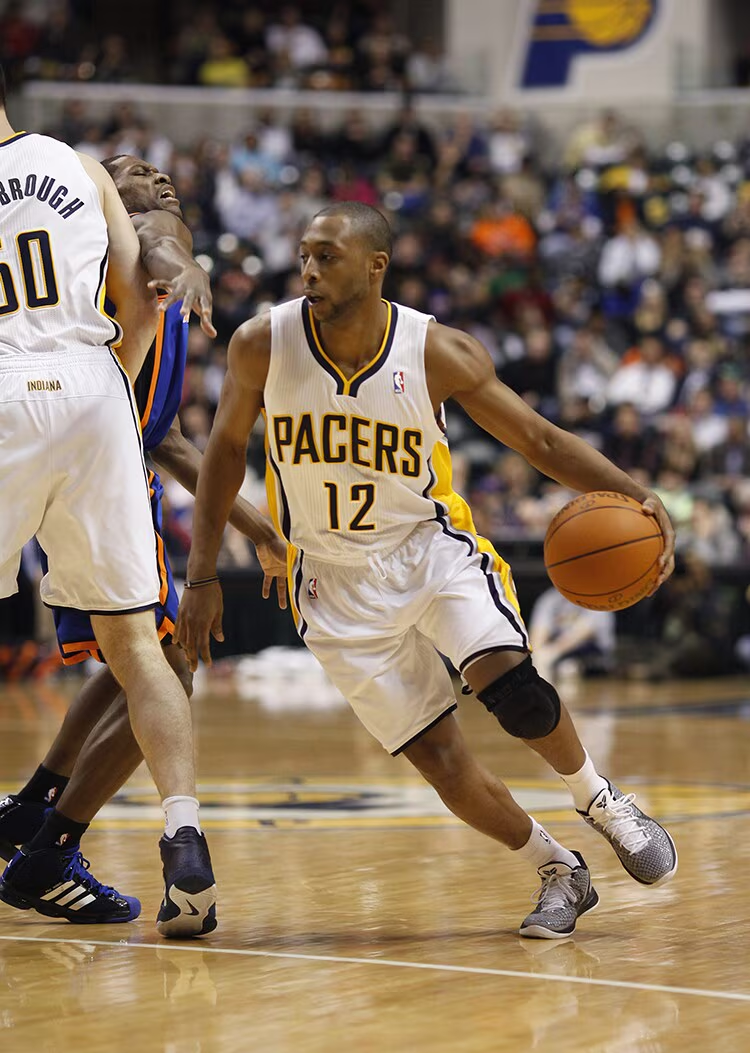
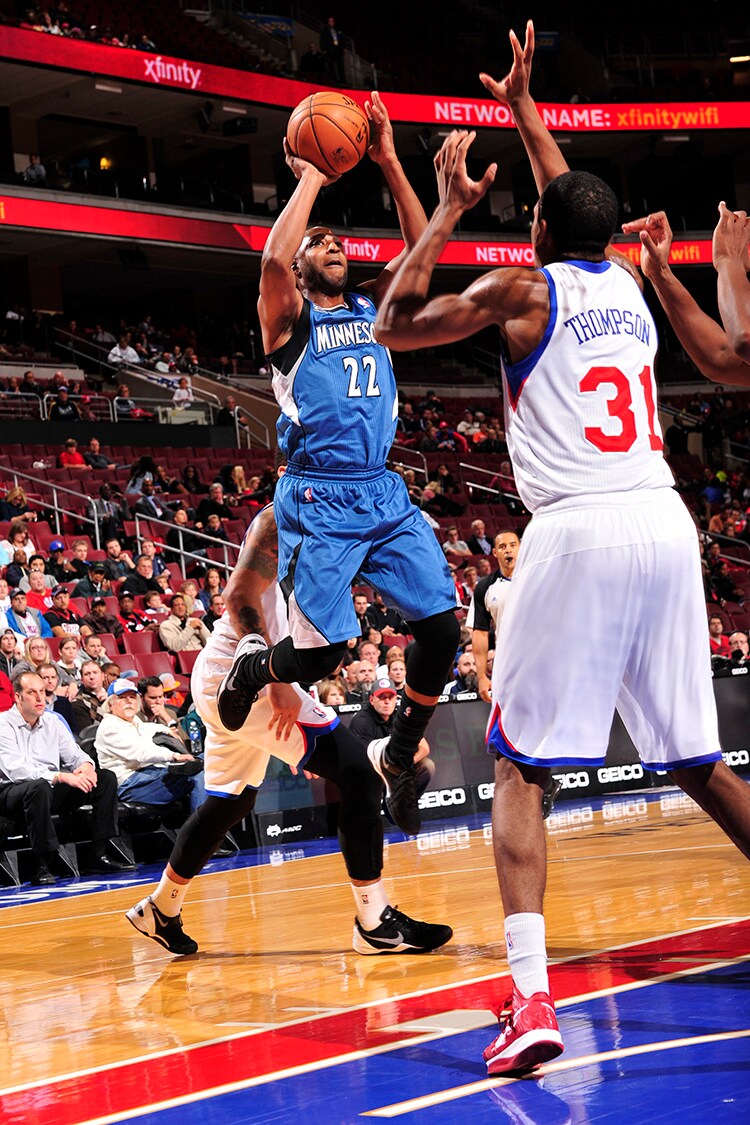
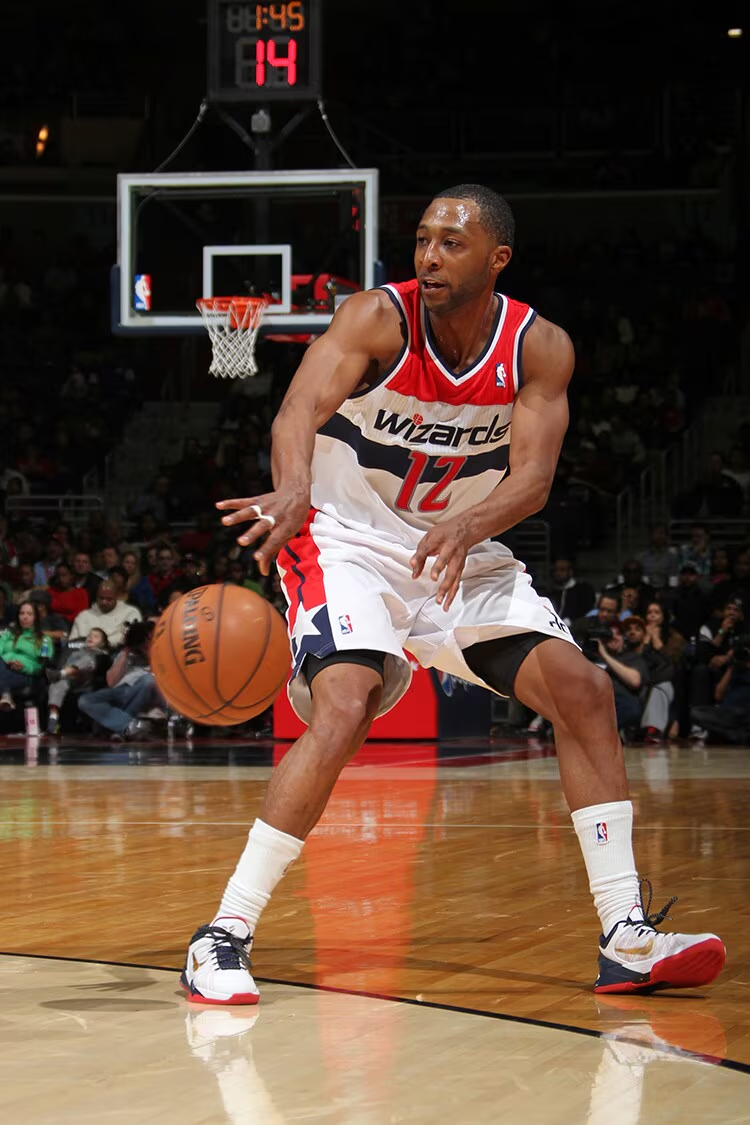
This 6-week plan is designed for point guards, shooting guards, and anyone who wants to train like AJ Price’s athletes. It can be done at home, at a gym, or on an outdoor court. The goal is simple: build complete, confident guards through disciplined repetition.
Conditioning: 5 sets of 2-minute full-speed circuits
Simulating Game Intensity: Training Under Pressure
The final stage of any AJ Price training session is designed to mimic the intensity and conditions of real competition. This is where practice truly becomes preparation for game day. Athletes aren’t just running drills—they are training to execute at full speed, while fatigued, under pressure, and facing complex, decision-heavy situations. AJ emphasizes that this stage bridges the gap between skill development and actual performance. By training under realistic stress, players learn to maintain focus, react quickly, and make smart choices, even when their bodies are tired and their minds are taxed.
During these high-intensity exercises, players experience the physical and mental fatigue that naturally occurs in competitive games. AJ designs drills that simulate fast breaks, defensive pressure, and multi-step decision-making scenarios. For example, players might be required to shoot, pass, and defend in rapid succession with minimal rest, forcing them to rely on muscle memory, spatial awareness, and instinct. This approach ensures that skills honed in isolated practice translate seamlessly into game situations.
The mental component is just as important as the physical. Under stress, hesitation or poor decision-making can cost a team points or create missed opportunities. AJ trains athletes to recognize pressure, stay composed, and execute confidently. By repeatedly practicing in challenging conditions, players develop resilience and mental toughness—qualities that separate good athletes from great ones. They learn that fatigue is temporary, focus can be maintained under duress, and preparation determines performance.
Another key aspect of this stage is adaptability. Game situations are unpredictable, and players must respond to changes in defense, shot clocks, and teammate positioning. AJ incorporates variable scenarios into high-intensity drills, requiring athletes to think quickly, communicate effectively, and adjust on the fly. These exercises enhance decision-making speed and accuracy, creating players who can handle complex, real-world situations during competitive games.
This final stage also reinforces the importance of conditioning and endurance.
Players must be physically prepared to perform at peak levels despite exhaustion. AJ integrates cardio, strength, and agility components to ensure that players can maintain intensity throughout the session and, ultimately, throughout a full game. The combination of physical conditioning and mental rehearsal prepares athletes to perform consistently, regardless of fatigue or external pressures.
Finally, reflection follows every high-intensity session. AJ encourages athletes to analyze performance under pressure, identify mistakes, and develop strategies for improvement. By reviewing both successes and failures, players build awareness, confidence, and a proactive approach to growth. Over time, this stage develops the ability to execute under real competition conditions, turning stress and fatigue into tools for enhanced performance rather than obstacles.
Training at game speed under pressure isn’t easy, but it is essential for players aspiring to reach elite levels. AJ Price’s approach ensures that by the time athletes step on the court, they are not surprised by fatigue, stress, or complex decisions—they are prepared, confident, and capable of performing at their best when it matters most.
Take your game to the next level with personalized, professional training from AJ Price, former NBA point guard with years of experience at the highest level of the game. Whether you’re a beginner looking to build solid fundamentals or an elite athlete preparing for your next big season, Priceless Training offers unmatched instruction, intensity and inspiration.